 Reboot Your Life: Tampa Student Loan and Bankruptcy Attorney Blog


 The ordinary household is drowning in mortgage debt. Sure, some homeowners were reckless, but most were not. Regardless of fault however until the mortgage crisis is fixed and our unemployment is cut in half, our country’s households will continue their downfall. This Thursday, President Obama is to announce some sort of plan to reduce unemployment and provide solutions to our mortgage crisis.
The New York Times editorial recently addressed NACBA’s Principal Paydown Plan. I urge everyone to read this editiorial and contact your representatives or the Whitehouse to support this plan which would amend the bankruptcy code to allow mortgage payments in a Chapter 13 Plan to go directly to principal thereby reducing or eliminating the underwater portion.
New approaches are necessary. HAMP has probably caused more foreclosures than it helped because of the poor implementation by the banks and mortgage servicers. For instance, I can’t count the number of homeowners who have said that their mortgage company told them they had to be three months behind before a modification could be discussed, only to call three months later and hear that modifications are only available for borrowers who are current. This doesn’t even count the homeowners who have given up after submitting their paperwork umpteen times. Or those on endless trials only to be told they don’t qualify and now owe $30,000 back payments by Friday. Oh and they can’t get a loan to catch up the arrears because their credit has been dinged by the servicer who failed to explain that a mortgage modification would destroy their credit.
Continue reading →
 Let’s put into perspective the recent
  All this talk about a foreclosure plaintiff needing to have proper standing, chain of title and assignment records reminds us that the same is required, but often overlooked, in credit card lawsuits.
 Our Florida clients sometimes ask me why they cannot strip off a second mortgage in a Chapter 7 like often done in a Chapter 13 bankruptcy nowadays. The limitation can be found in the United States Supreme Court’s decision in
  NACBA (National Association of Consumer Bankruptcy Attorneys) responded this weekend to the government’s latest approach to the foreclosure crisis with what I call the
 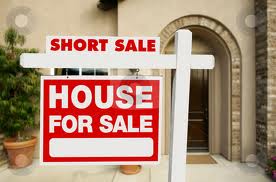 When listing and selling a home in a short sale, homeowners should consider including language to limit recovery of any unpaid amounts by the mortgage company (known as the deficiency balance). In Florida, we recommend this limitation be placed in the Purchase and Sale Contract. This way when the lender/bank agrees to the short sale, they are in essence agreeing to the terms of the contract between the buyer and seller. It is no different than if you wrote in “as-is” to limit your liability as to the condition of the property. I’d recommend something like the following be inserted into the contract:
 The special foreclosure courts in HIllsborough county are shutting down the end of this week. Does this mean the foreclosure crisis is finally at an end? Not exactly.
 It has been my practice to advise clients to remain current on their Homeowners Association dues (HOA) even though they are behind or in foreclosure on their first mortgage. Today, an